Sometimes, in our eagerness to ‘can ALL the things’, we come across recipes that just sound cool, and the pictures are bright and enticing, and although we have no feasible use for the end product, we become fixated not on the practicality, but the pretty. Such was the case with me and preserved lemons. I had to have them, needed them desperately, but in reality had never cooked with them before.
I’m happy to report that I honestly now can’t fathom NOT having at least one jar at my disposal. Like Frank’s Red Hot, I put this shit on anything. If you cook Moroccan, you need this, if you cook any style of Indian, you need this. Seafood? Need it. Stir fry? Need it. Roast veggies? I’m sure you get my point.
The most wonderful thing about it is how bloody easy it is. I am actually fairly confident that chimps, given lemon wedges, salt, and some canning jars, could do this. Salt preserves require no special equipment, and can be prepped in less time than it takes me to brush my teeth.
Here’s what you’ll need:
- canning jars – I like 250mL for this, especially the short fat ones. Since these are used somewhat sparingly, there’s no need to create 1L vats of lemon.
- kosher salt
- 8-10 Meyer lemons – why Meyer? They have a natural sweetness that seriously helps provide a massive burst of lemony flavor in your finished preserves
- extra lemon juice – fresh squeeze some if you like, or cheat and buy a bottle
Okay, ready for this? It’s super complicated. Sterilize your jars in boiling water as per usual, and thoroughly wash your lemons. I usually cut the knobby ends of the lemons off, but don’t if you’re feeling exceptionally lazy or don’t care about lemon aesthetics. Cut your lemons into eighths. Liberally sprinkle your lemon wedges with salt. You’re halfway done.
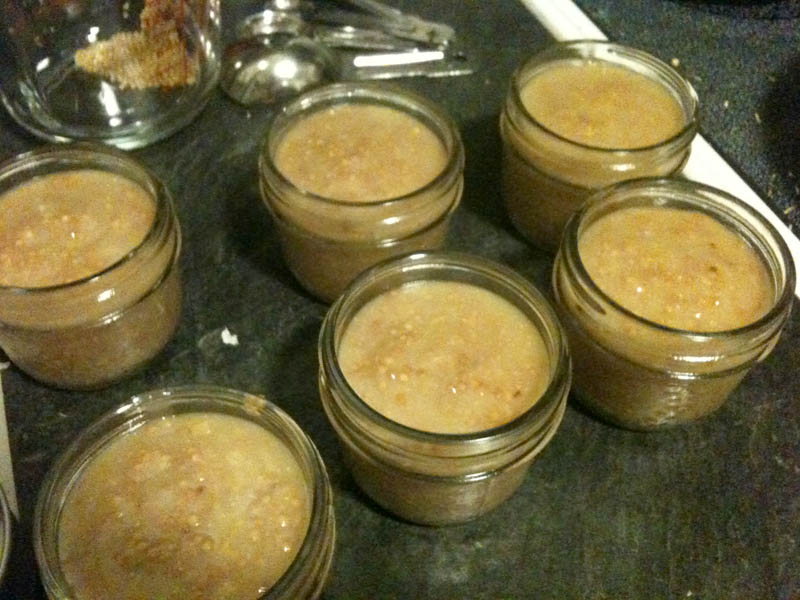
Put a layer of salt, enough to cover the bottom, into your sterilized jars. Add a layer of lemons and press them down until they’re mostly juiced. Add another layer of salt. Add another layer of lemon, squish. Repeat until you’ve got lemons packed to within a half inch of the top of your jar. Add one final layer of salt and then add in the extra lemon juice as a gap filler, up to within a quarter inch of the jar rim. Put the lid on tightly and put the jars somewhere out of the way for a weekl at room temp, occasionally inverting them. Then just pop them in the fridge for a couple of weeks and you’re good to go. The pictures below are with limes. Don’t get confused because things are green instead of yellow.
What To Do With It
This recipe, if left to its own devices, can be like that time in grade school where for arts and crafts they made you make a clay ashtray for your parents, even though neither of them smoked. You were damn proud of your turtle/seashell creation, and your parents murmured approvingly, but it was shuffled awkwardly from bookshelf to bookshelf for a couple months before finding its way into the memento box. Don’t let that happen with your lemons!
First off, these things are potent. We’re talking using one or two wedges per dish. They are intensely lemony and a little salty and if used in too high a dosage, you’ll feel you’re eating a Mr. Clean flavored salt lick. To use them, remove them from their jar and wash them thoroughly. I can’t stress that enough. There will be residual salty flavor even after you do that, and the one time I forgot to rinse, it made the food almost inedibly salty. Rinse, rinse, rinse. I generally discard the inner membrane-y bit. Unlike most lemon items, what you’re really after here is the peel, which should be soft and pliable. For most cooking applications you’re going to want to cut the peel into very small pieces, finely chopped approaching minced. These lemons, or limes if you go that route, will quickly become indispensable in your culinary arsenal. Add as a sort of seasoning…play around, be adventurous (I’m going to try them in some sort of ice cream application). And please tell me if you come up with a crazy combo that works, so I can try it too.
My Suggestions:
- Fish — either in the oven en papillote or wrapped in foil on the BBQ. Place your filet (salmon or trout are my faves so far) on your foil and drizzle with olive oil. Throw in a small spoonful of capers, and 2 wedges worth of finely chopped lemon, wrap it up and cook over medium heat until the fish flakes when you poke it with a fork. It will smell and taste of angels.
- Stir fry — beef, chicken, pork, or shrimp, preserved lemon don’t care. Prep your favorite combo as usual, toss in one or two wedges worth with the veggies and you’re golden. Also extremely effective at flavouring rice dishes of all varieties.
- Roasted root veggies — hack up your favorite combo of tatties, beets, parsnips, whatever, throw them in a pan with olive oil, pepper, and a couple wedges worth of lemon. Oven roast or BBQ with delicious results.
Are they sweet? Salty? Savoury? Acidic? It’s like my tastebuds don’t understand what’s going on, all they know is that they love it and they want more. I recently did a batch of limes and I don’t even have a word for how fucking heavenly these little green creatures are. My next excursion will be using them in alcoholic beverages…just think of the grand dame of Canadian hangover cures: the Caesar, with a thin slice of perversely tasty lime preserve. It might be enough to get me over my aversion to Clamato.
Weird to think of these as a staple food item but I really have grown quite attached to having them around. Hopefully my enthusiasm is contagious.
Based on this Pin:

Source: sfgirlbybay.com via Cackle on Pinterest


 Cackle Fruit